
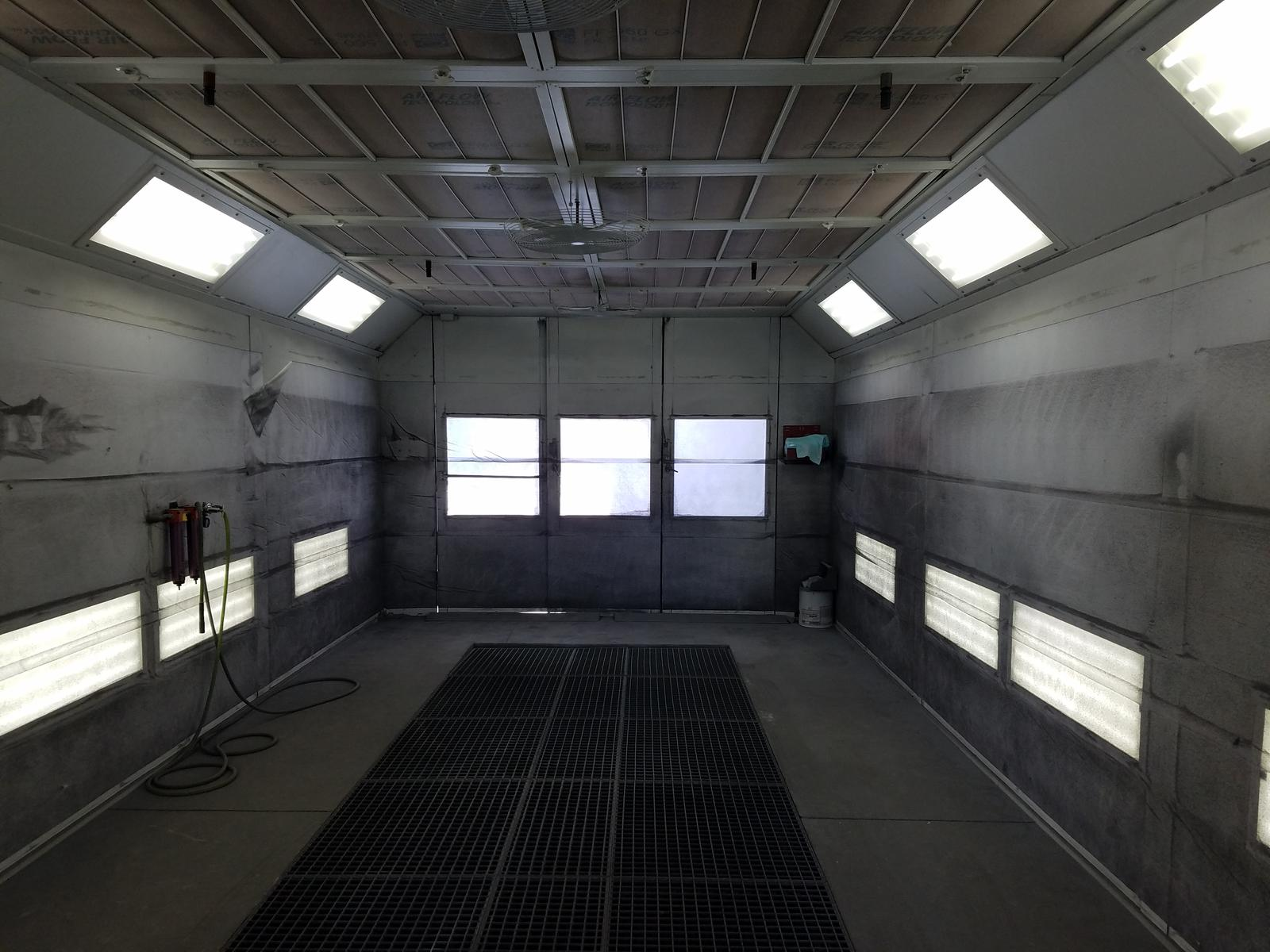
Learning how to clean a paint booth isn’t about scrubbing harder. It’s about regular cleaning on a routine basis. Overspray and dust buildup settle on every surface inside the booth. Leave them, and they dull your booth lights, land on fresh panels as finish defects, and build into a layer that can catch fire. Steady cleaning prevents most of that. A crew that cleans daily spends a few minutes. One that waits for dirty paint jobs spends a weekend on rework and loses throughput to downtime. Southern Booth and Equipment runs a paint booth cleaning service for shops and plants across Florida. The schedule below follows the same order of work its technicians use on site.
What the code requires and what is only good practice
Some cleaning tasks are the law. Others just protect your paint job.
The parts you can be cited for
Florida adopts NFPA 33, the standard for spray application using flammable or combustible materials, as part of the Florida Fire Prevention Code. For the workplace, OSHA 1910.107 spells out what a spray area must look like. These points apply straight to cleaning:
- Keep spray areas as free of combustible residue as you practically can, and clean daily if needed
- Use scrapers, spuds and other cleaning tools made of nonsparking material
- Remove residue scrapings and dirty debris from the premises right away
- Put rags soaked with finishing material in approved metal waste cans, and empty them at least once a day or at the end of each shift
- Use only portable lamps approved for Class I hazardous locations while you clean
The agency counts any sprayed material that its safety data sheet lists as combustible, and that wasn’t cleaned up from the day before, as combustible residue. In plain terms, yesterday’s accumulated overspray is the problem.
The parts that protect your finish
Wiping light fixtures, cleaning door seals, checking intake filters and watching airflow won’t get you cited. But they protect finish quality, decide whether panels come out clean the first time, and they help keep your paint booth running well. Skip them and you pay in rework hours instead of fines.
Daily tasks that keep your booth clean
Daily cleaning takes one person a short time at the end of each shift. Wear PPE, including a respirator, because residue dust and solvent vapor can still be in the air.
- Empty the waste cans holding solvent-soaked rags
- Remove residue scrapings and dirty debris from the premises
- Sweep the floors daily, working from the air inlet toward the exhaust. If you vacuum, use one approved for hazardous locations
- Wipe down door handles, latches and seals
- Read the manometer or gauge and write the number down
- Check the floor covering and pull any loose paper or masking
The manometer shows the differential pressure across the filters. When the number climbs, clogged filters restrict airflow and cut ventilation and booth performance. It’s the earliest warning you’ll get.
Weekly tasks: wipe down, inspect and replace filters
Start at the top and work down, so anything you knock loose lands on surfaces you haven’t cleaned yet. Wipe the lamp lenses, since even a thin film of paint mist cuts the light your painters need. Clean walls and surfaces wherever you see overspray accumulation. Vacuum the floor grates instead of blowing them out with compressed air, which makes dust and debris recirculate into the air you’re about to spray in. Then inspect the intake and exhaust filters, check the seals and clips that hold them, and replace filters before they clog. Filter condition affects everything else in the booth.
Monthly and quarterly booth maintenance, from fans to ductwork
Once a month, go after the spots daily work misses. Clean the fan and motor housing where you can reach it safely, and check the air make-up units. Look at the exhaust plenum, stack and ducting for residue. Check for gaps at panel joints, because air leaking in at a seam pulls dirt in with it. Replace lamp gaskets that have gone brittle. Check the sprinkler heads on your fire suppression systems, too. NFPA 33 allows only thin cellophane or paper bags as covers, and they must be swapped often. Any head that’s been painted over has to be replaced.
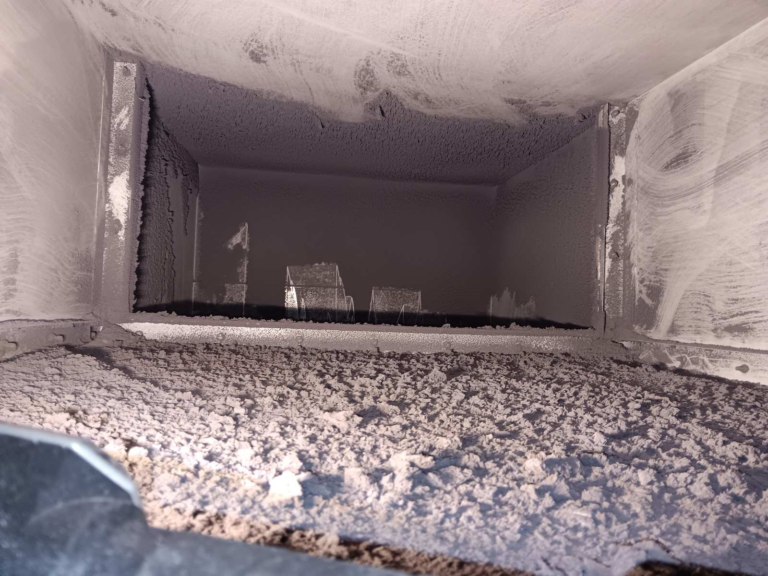
Every quarter, step back and look at the booth as a whole. Airflow, door seals, filter history and light output all drift so slowly that nobody notices until finish defects show up. An annual inspection of mechanical components catches wear before it turns into equipment failure and costly repairs, and it helps extend the life of the booth. A paint booth maintenance plan turns all of this into a cleaning and maintenance schedule, so it doesn’t depend on who remembers. Preventative maintenance programs also let you book professional cleaning as part of your maintenance visits, so the booth is only down once.
Cleaning interior surfaces without damaging them
Paint booths are designed to be cleaned. Federal rules require smooth, continuous inside surfaces with no edges where residue can pocket, so they can be washed without damage.
The easiest fix is to stop paint mist from reaching the panel at all. Dirt Trap protection material is an adhesive-backed cover for floors and walls, built to trap overspray and dust. A clear film protects lights and windows. When it fills up, you peel it off and put fresh material on, so a scraping job becomes a quick swap. It only sticks well to a clean surface, so the first clean-out matters. Southern Booth and Equipment installs Dirt Trap and pairs it with scheduled clean-outs. Peelable booth coatings are the other common option for walls.
With no protection in place, use plastic scrapers or other nonsparking tools, gently and at a low angle. Hard scraping scores the panel, and a scored panel grips residue even tighter next time. Check with your paint booth manufacturer before you use aftermarket products on panels, seals or glass. Small, practical maintenance habits done often are the real secret to keeping your booth clean.
Never bring a torch, grinder or any hot work near a booth that hasn’t been cleaned and cleared. Dried paint residue on walls and ducts catches fire easily.
Where the residue and used filters go
This is the step most paint booth cleaning procedures skip. You end up with a clean booth and a barrel of waste by the back door that nobody can identify.
OSHA covers used filter pads and rolls directly. You must move them right away to a safe, well-detached location, or put them in a water-filled metal container and dispose of them at the end of the day. The only other option is to keep them fully under water. Staying compliant means a same-day routine, not a Friday one.
What the waste actually is depends on your coating application. Filters loaded with paint residue can carry hazardous materials, and whether they count as hazardous depends on what’s in them. TCLP filter testing through an independent lab gives you a real answer instead of a guess. Southern Booth and Equipment arranges that testing for customers.
How often to change filters is covered in the FAQ on the maintenance page.
When cleaning stops being enough for older paint booths
Some problems survive even perfect routine cleaning: lights that have yellowed and dimmed, control panels and mechanical systems past their service life, and seals that no longer hold. At that point the fix is an upgrade, not a harder scrub. Modernization work such as LED lighting and control panel upgrades can cost less than replacing the booth or other finishing equipment.
Schedule professional cleaning with Southern Booth and Equipment
Knowing how to clean a paint booth is the easy part. Sticking to the schedule when production gets busy is harder, and that’s exactly when it slips. Since 2016, Southern Booth and Equipment has kept automotive shops and industrial paint booth operators running across Florida, with service programs built around each finishing operation. Its expert team comes to you, so your booth is back in service faster. The company is a licensed and insured contractor, license number CGC1541607, based in Stuart.
Call (866) 416-4016 or ask Southern Booth and Equipment about a maintenance plan to get a maintenance checklist built for your booth.